Share:
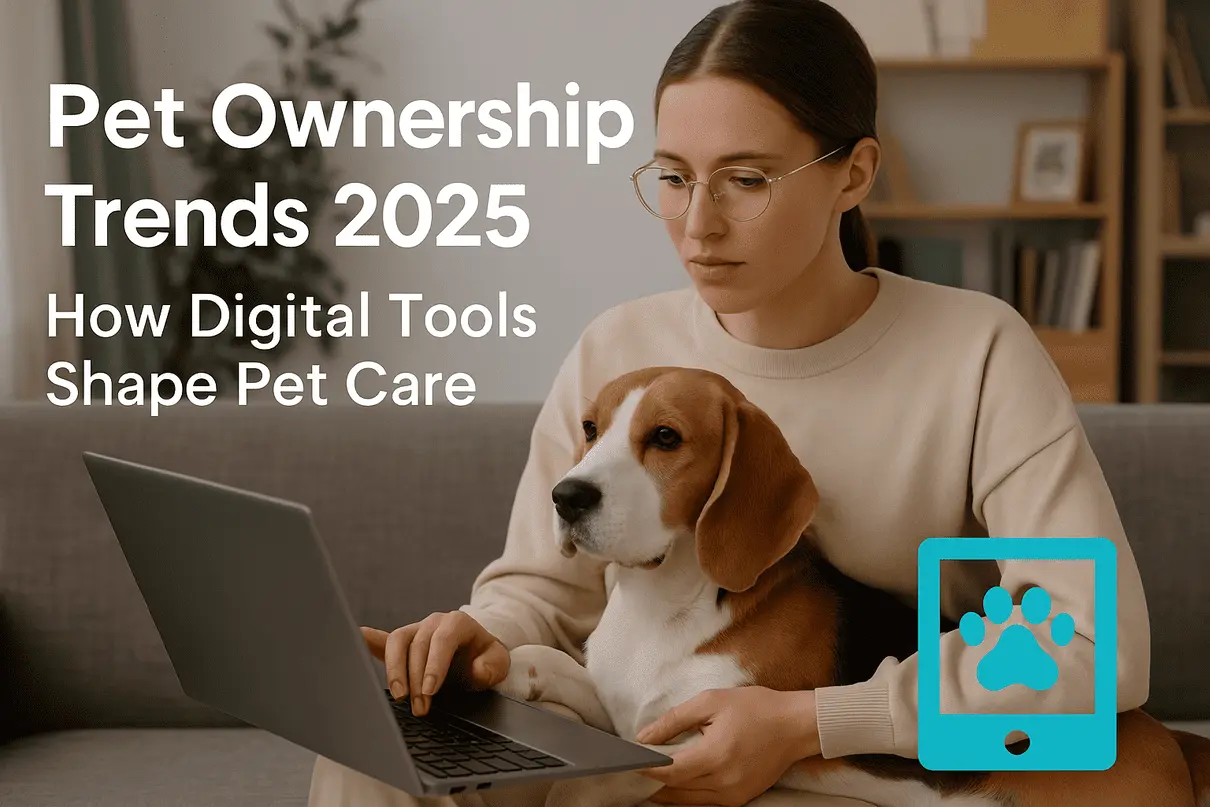
Pet ownership has been changing for a while, but the shift happening in 2025 feels noticeably bigger. People are spending more on their pets, relying heavily on online tools, and expecting the same level of convenience in pet care that they get everywhere else. As daily routines move deeper into digital platforms, new opportunities are opening up for technologies that weren’t even part of the conversation a few years ago, including blockchain-based systems designed for real use cases.
Pet Care Is Becoming More Digital
Younger owners make up a large part of the market now, and they tend to choose digital-first solutions almost by default. They want quick scheduling, upfront pricing, easy communication, and tools that reduce the small, repetitive tasks that come with owning a pet.
Things that once required a phone call or a trip across town are turning into apps, dashboards, and automated reminders.
Services Move Online
A lot of day-to-day pet care already runs through phones or laptops. Grooming appointments, subscription food deliveries, training sessions, even certain health checks — all of it is shifting online.
Smart collars track activity and sleep patterns. Tele-vet consultations handle minor problems. Marketplaces match owners with specialists who might not be available locally.
None of this feels experimental anymore. It’s becoming the standard way people manage pet care.
And as more activity moves online, the weak spots start to show.
Where Payments Fall Behind
One of the biggest friction points is payments. Even though pet owners are using modern tools, the back-end systems that service providers rely on still look outdated.
High processing fees, long payout times, and complicated integrations cause headaches for groomers, trainers, walkers, sitters, and independent vets. A lot of them lose money to fees or find themselves waiting days for payments they should have received instantly.
Owners often assume everything is immediate. Providers know the reality is slower.
Why Traditional Systems Struggle
Payment delays are common, and the fees add up. For small pet-care businesses, these costs cut directly into earnings.
The result is a mismatch: owners expect fast and smooth digital experiences, while providers work around limitations that slow them down.
A Closer Look at Crypto Payments
Because of these gaps, some small businesses are starting to experiment with blockchain-based payment systems. Faster settlement, predictable fees, and less reliance on multiple intermediaries make these tools appealing to people who run their own operations.
If you want a simple explanation of how crypto payments already fit into everyday spending, this quick guide breaks it down clearly:
https://www.hexydog.com/blog/crypto-payments-explored-how-blockchain-is-subtly-reshaping-everyday-transactions
Blockchain doesn’t replace existing tools, but it fills the parts of the system that aren’t adapting quickly enough.
Pet Health and Technology Come Together
Digital tools aren’t just changing payments. They’re also shaping how owners track, manage, and understand their pets’ health. The more technology blends into care, the more proactive and organized everything becomes.
Wearables Become Normal
Smart collars and health trackers are no longer niche gadgets. They monitor movement, rest, and vital signs, helping vets and owners notice issues earlier.
Tele-Vet Visits Settle Into Everyday Life
Online consultations have become a reliable option. They save time for owners and help clinics manage their workload better.
Digital Records Improve Coordination
Some clinics now use digital health record systems that store vaccination histories, notes, and treatment plans. These systems reduce lost paperwork and simplify switching providers.
All of this increased digital activity creates a need for stronger infrastructure underneath it.
Why Blockchain Fits Into the Future of Pet Care
The pet-care industry is becoming more digital every year, and that creates demands that current systems can’t always meet.
Payment reliability, data accuracy, secure record-keeping, identity verification — these are all areas where blockchain can support real operations, not replace them.
Payment Systems That Support Small Providers
Blockchain-based payment layers can cut costs, speed up payouts, and bring consistency to a part of the industry that needs it most. This shift is pushing interest toward blockchain-based pet care payment systems that can better support small providers operating in digital-first environments.
Verification and Record Keeping
Microchip numbers, vaccination records, adoption paperwork, and medical notes can all be stored securely. It reduces the risk of altered or missing records and creates trust between all parties.
Building a More Organized Marketplace
Booking guarantees, identity checks, review systems, deposits, and cancellation protections can run on a transparent system instead of scattered third-party tools.
Why 2025 Marks a Turning Point
Owners are spending more than ever.
Digital platforms are becoming the center of service delivery.
Providers want payment systems that let them keep more of their earnings.
And blockchain is finally showing real-world uses that match actual needs instead of hype.
This combination makes 2025 a year where meaningful transformation can take hold.
Conclusion
Pet care evolves a little every year, but the shift happening now is larger than usual. Owners want the digital convenience they already rely on in other parts of their lives. Providers want systems that run smoother and cost less.
Where traditional tools slow down, new technology steps in.
The change isn’t loud, but it’s steady. And the businesses that adapt early will be the ones shaping how the next chapter of pet care works.